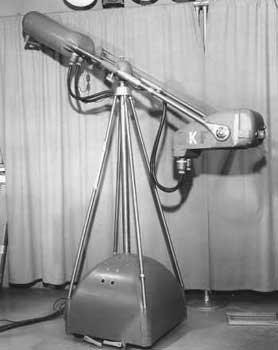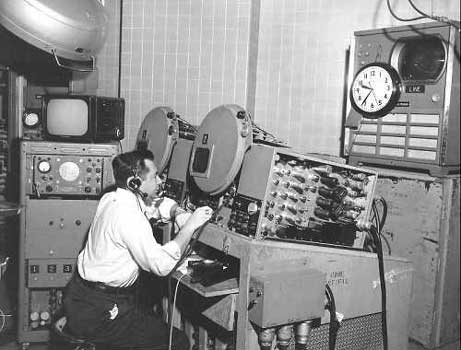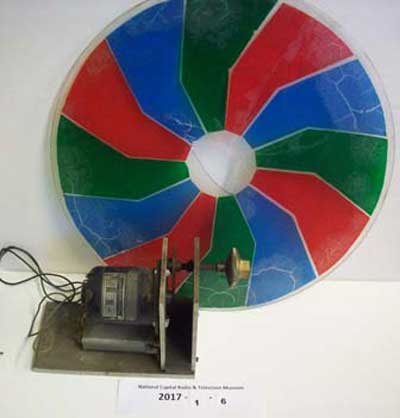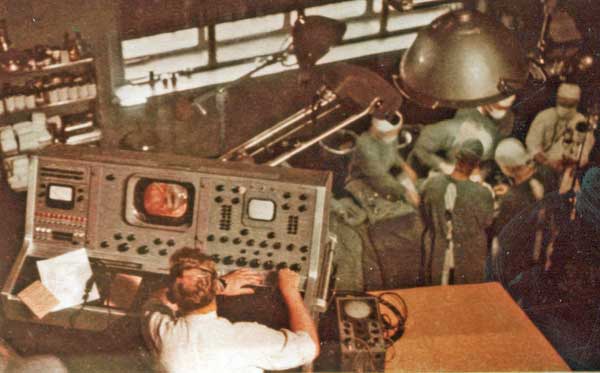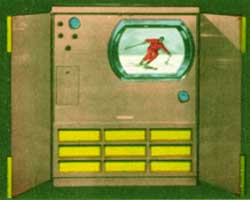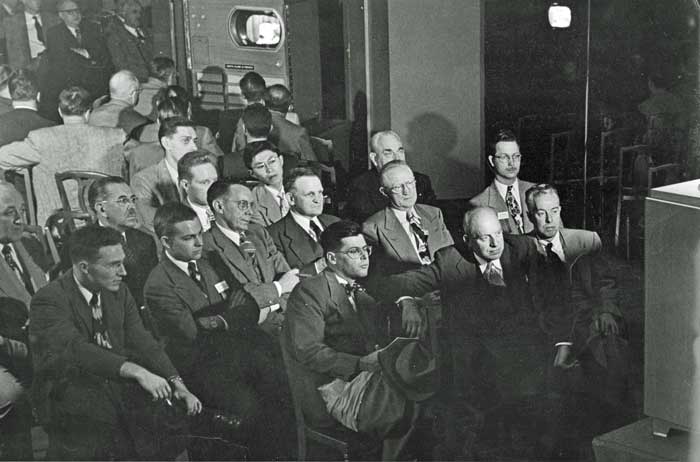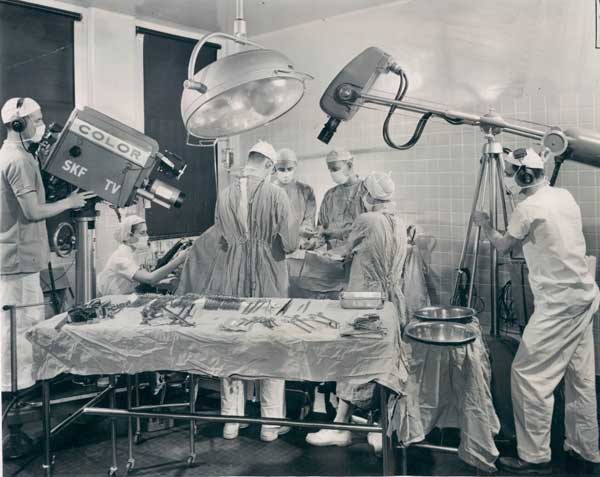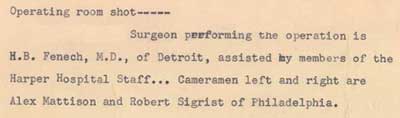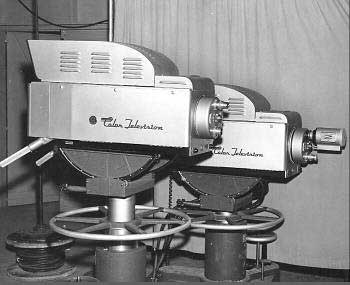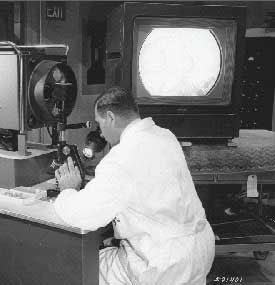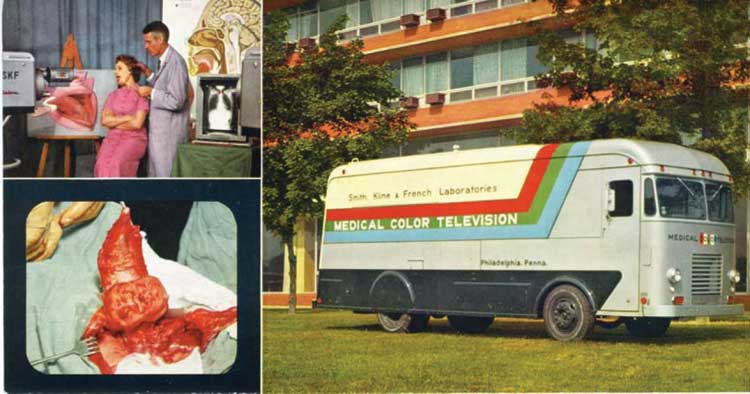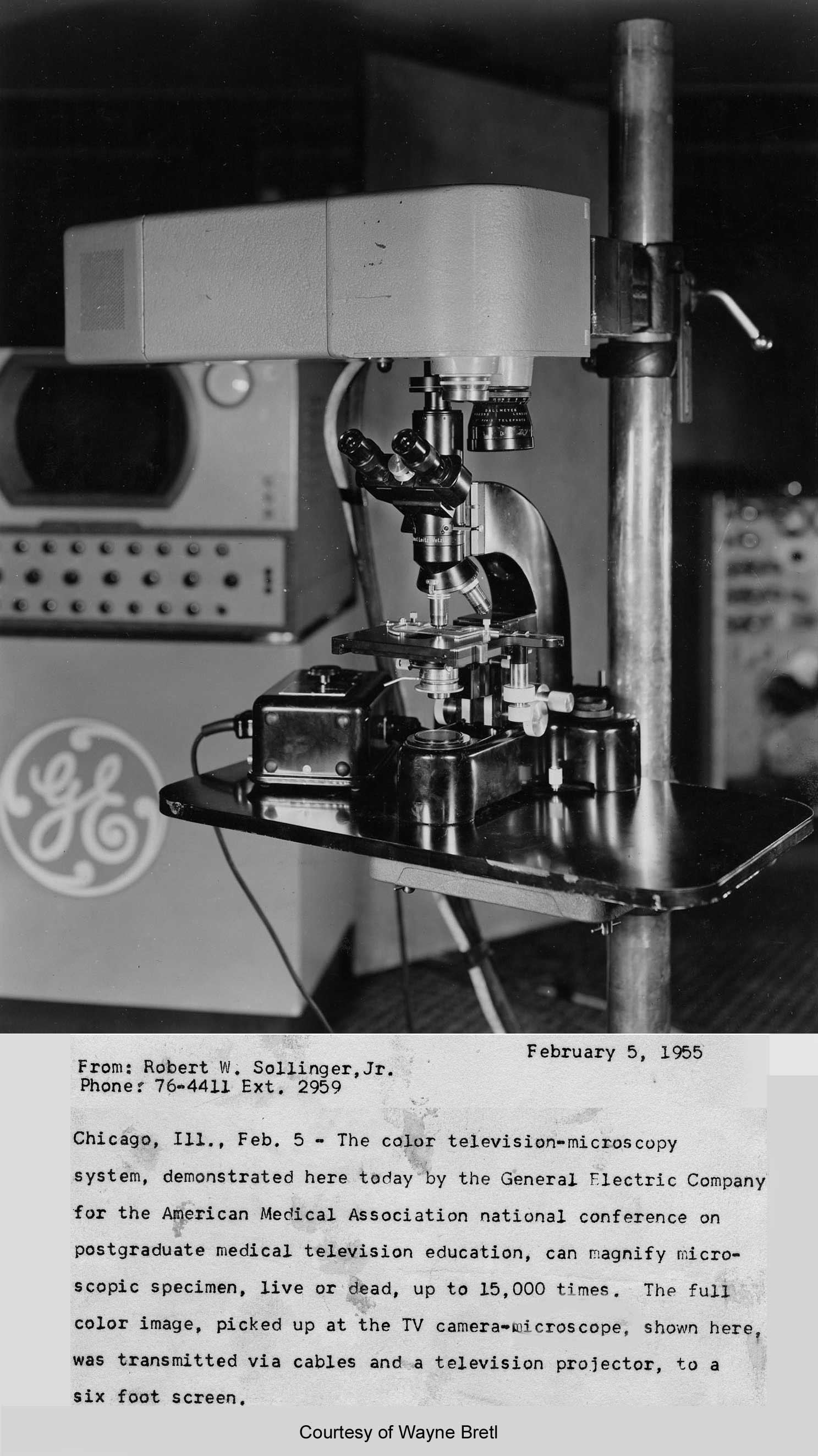

Early Color Television Smith, Kline and French Medical TelevisionIn 1948, CBS was approached by the pharmaceutical house of Smith, Kline & French, with a proposal to use color television as a teaching tool for surgery. CBS accepted, and on May 31, 1949, the first live operation in front of color television cameras took place at the University of Pennsylvania. In December 1949, the CBS team took this system to the American Medical Association's annual meeting in Atlantic City. CBS received FCC approval to broadcast SKF medical programming over WMAR-TV in Baltimore and WCBS-TV in New York. The equipment consisted of field sequential cameras and support equipment made for CBS, and receivers made by Zenith. Operations taking place in Atlantic City Hospital were televised to 15,000 viewers (1,000 at a time) in the convention hall. The response from viewers was tremendous, and some people were fainting, when they witnessed the realism of surgery delivered through the power of color images.
Courtesy of the National Capital Radio and Television Museum
1951 Photo
Zenith press conference
March 12, 1954, showing two types of cameras
In 1956, the field sequential equipment was replaced by NTSC equipment from RCA, including TK-41 cameras. A personal narrative by John K. Mackenzie provides a good description of the SKF project. Life Magazine has several color photos of the RCA equipment. Here is a 3D color camera for medical television
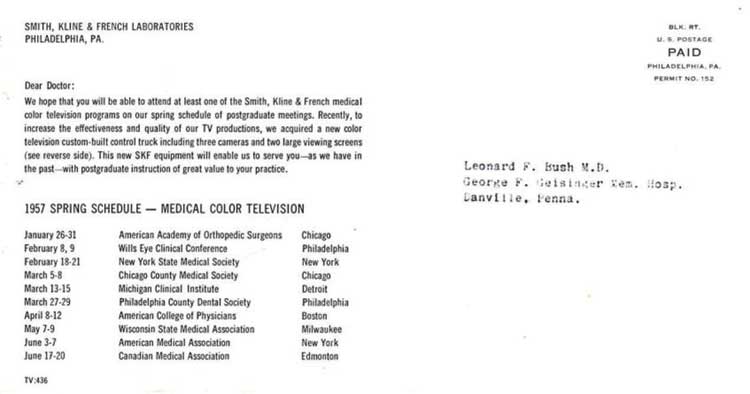
Postcard sent to physicians in 1957 Courtesy of Wayne Bretl
|