
Mechanical Television
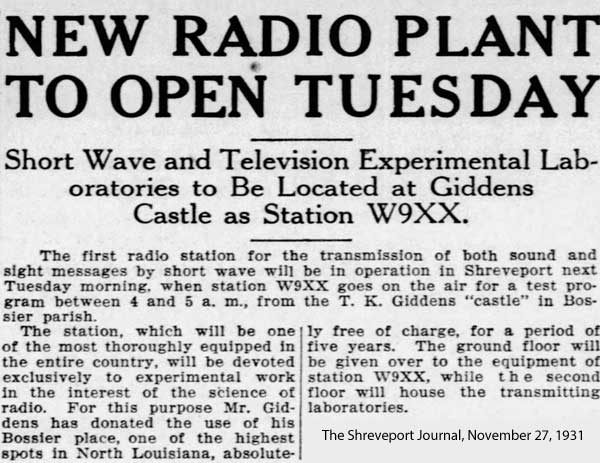
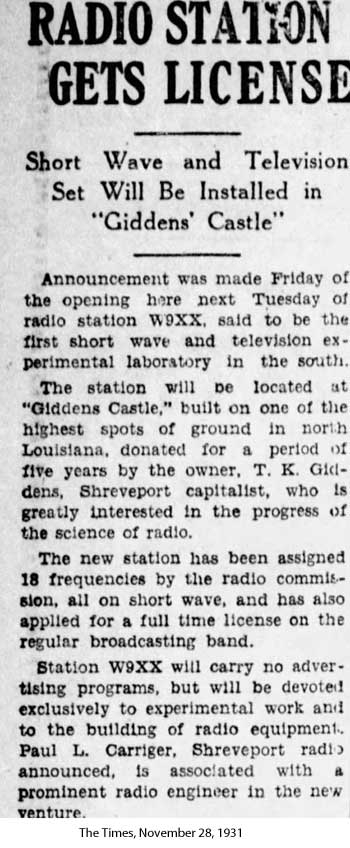
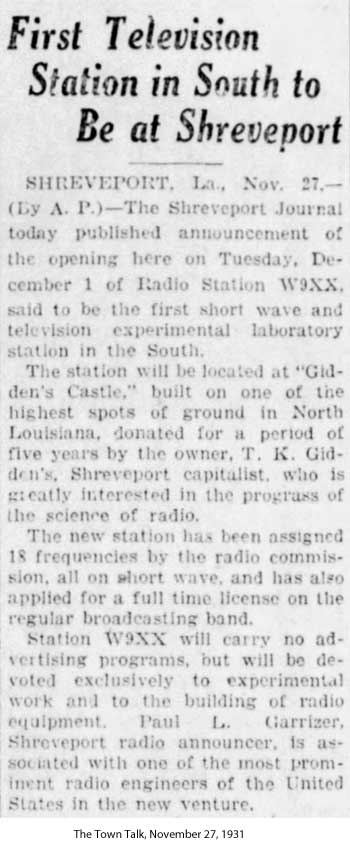
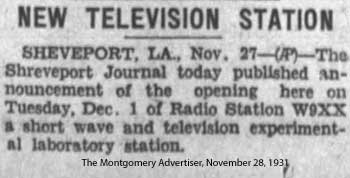
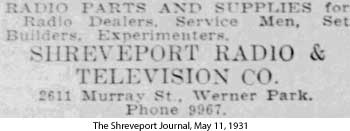
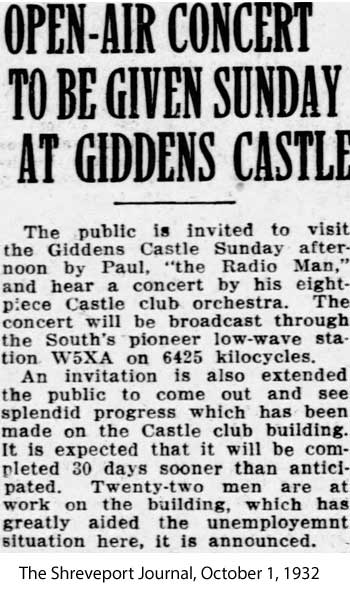
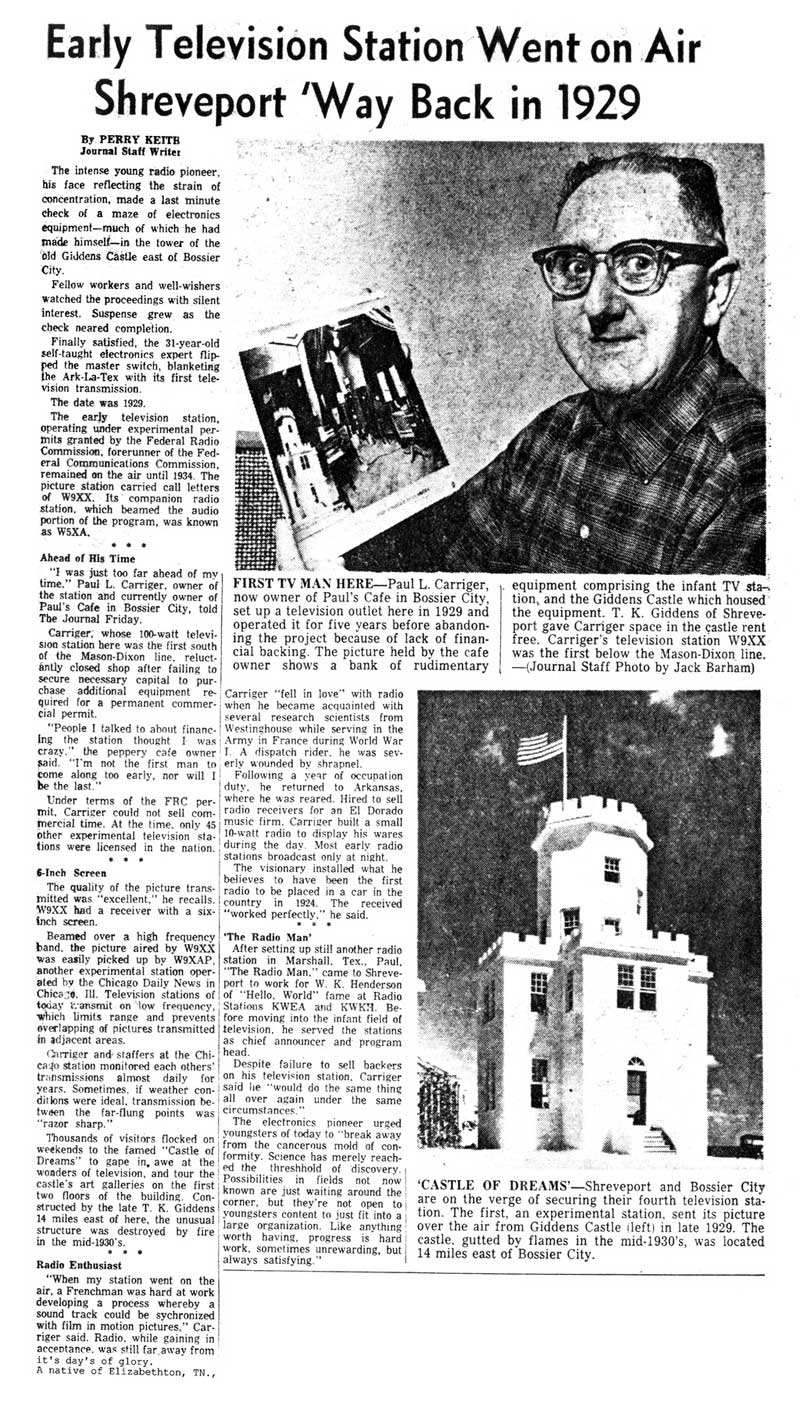
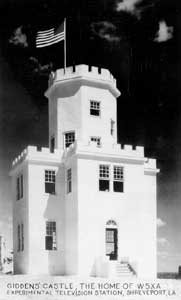
W5XA Shreveport, LAIn September of 1930, W9XX was licensed to Rev. Lannie W. Stewart, in Cartersville, MO., and began broadcasting on 1604 kHz with 100 watts power as a radio station. In October of 1931 the station was sold to Paul Carriger, and moved to Shreveport. Lannie Stewart was with Paul for a time during the transition and experimental broadcasts were done by this group a few days prior to the granting of the license for W5XA, so in theory, W9XX did broadcast from Shreveport but within a couple of days, the license for W5XA took hold and that was the primary station, although the W9XX was still used for a time to cover certain broadcasts until the license expired. In November the frequency was changed to 1594 kHz, and a number of shortwave frequencies were authorized.The station officially went on the air on January 11, 1932 with both audio and video transmissions. The audio was transmitted on 1594 kHz and the video on the 160 meter amateur radio band. Newspaper accounts, and the recollection of W. E. Antony, a radio pioneer who was involved in the station, say that TV broadcasting started in 1929, probably using home made equipment.
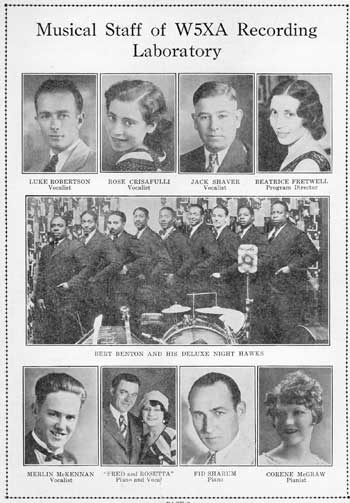
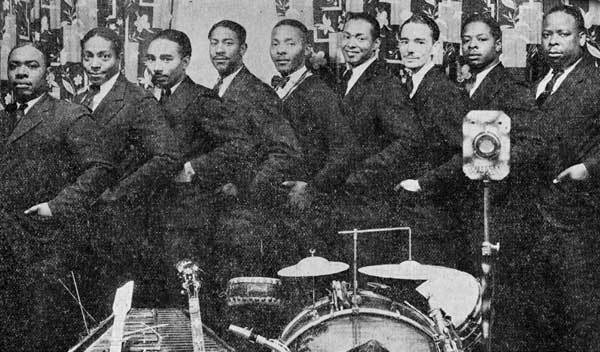
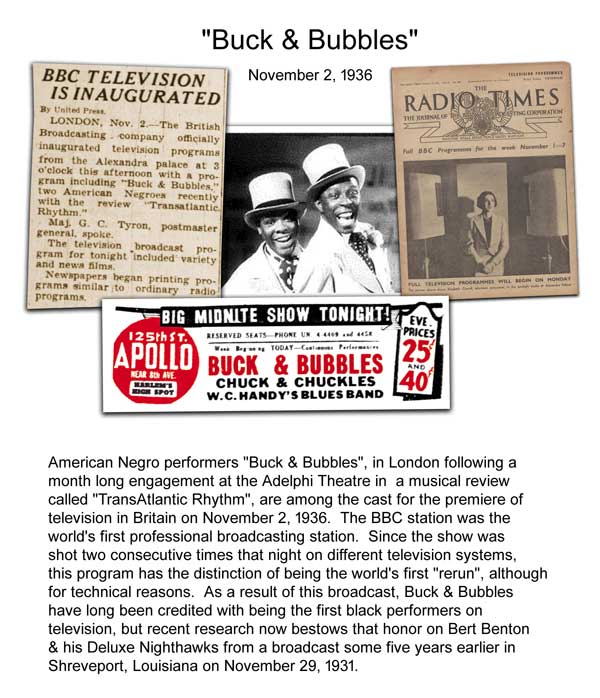
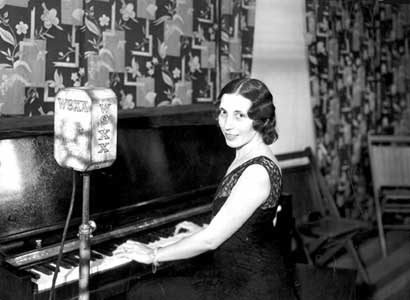
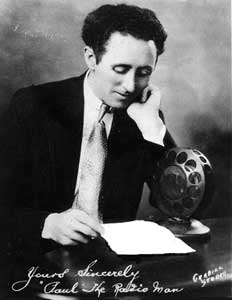
A newspaper article about Paul L. Carriger and the station. In the article, W9XX is given as the call sign used by the TV station. It is likely that the confusion came from the photo below that shows a microphone, purchased as part of the station in Cartersville, with W9XX on it. Probably the call sign for both the audio and video was W5XA. Articles and information courtesy of KWKH Archives - J. Kent The first black performers on the air has long been credited to Buck & Bubbles, a Harlem duo that appeared in the first BBC broadcast in 1936, but I now have proof that, in reality, W5XA holds the honor when they featured Bert Benton & his Deluxe Nighthawks in their inaugural broadcast which was a test run on Sunday, November 29, 1931. The official kick off date for the television station was Tuesday, December 1, 1931. So, the station now has the distinction of featuring the first black performers on television. Bert and his band were a regular feature on the station and were prominently featured in their brochure.
Joey Kent, owner of the Louisiana Hayride and KWKH Archives, sent this:
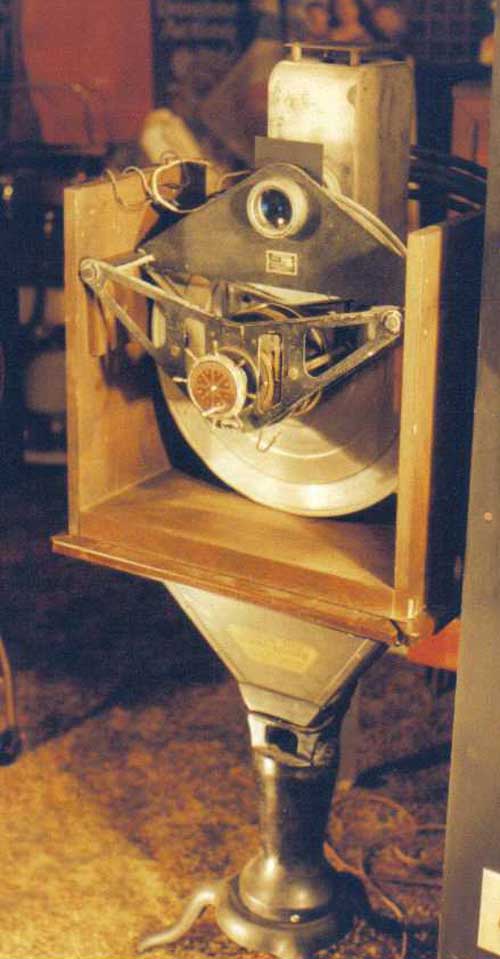
Photos courtesy KWKH Archives - J. Kent In 1931, the station purchased a Western Television "Junior" scanner and transmitter. We were contacted by Ronnie Wright, who lives outside of Shreveport. Louisiana. He acquired the camera and transmitter from this station. Here is a 1932 ad from Western for their camera and transmitter.
The camera. On the nameplate below the lens is "Scanner, Type-JR Serial No-109 Western Television Corporation Chicago ILL. USA".
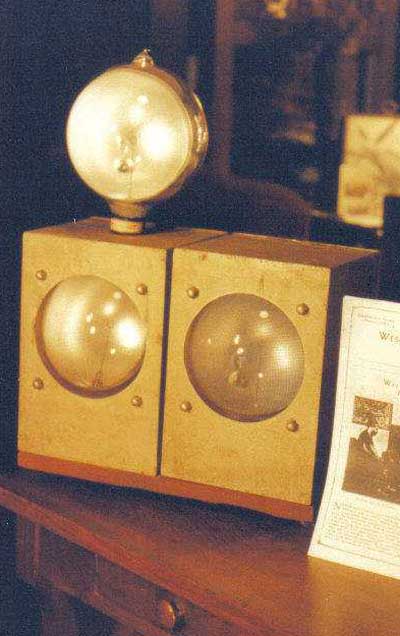
The photocells
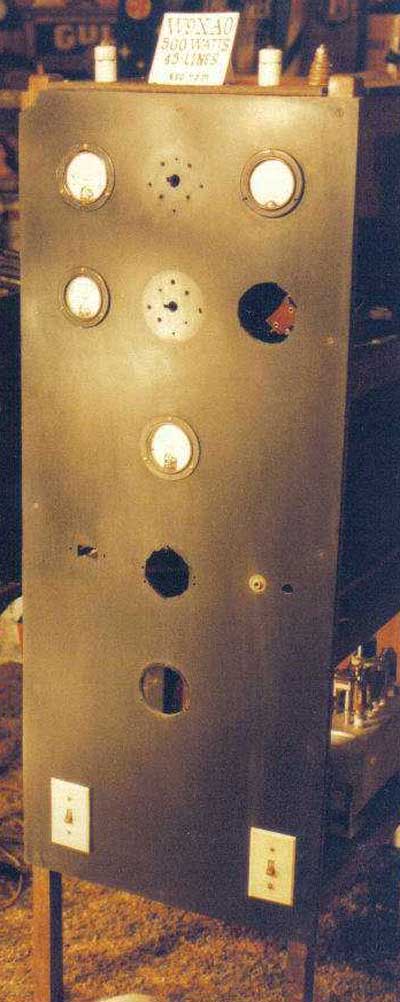
The transmitter, which was 100 watts. Most of the circuitry has been removed, and the light switches at the bottom are recent additions.
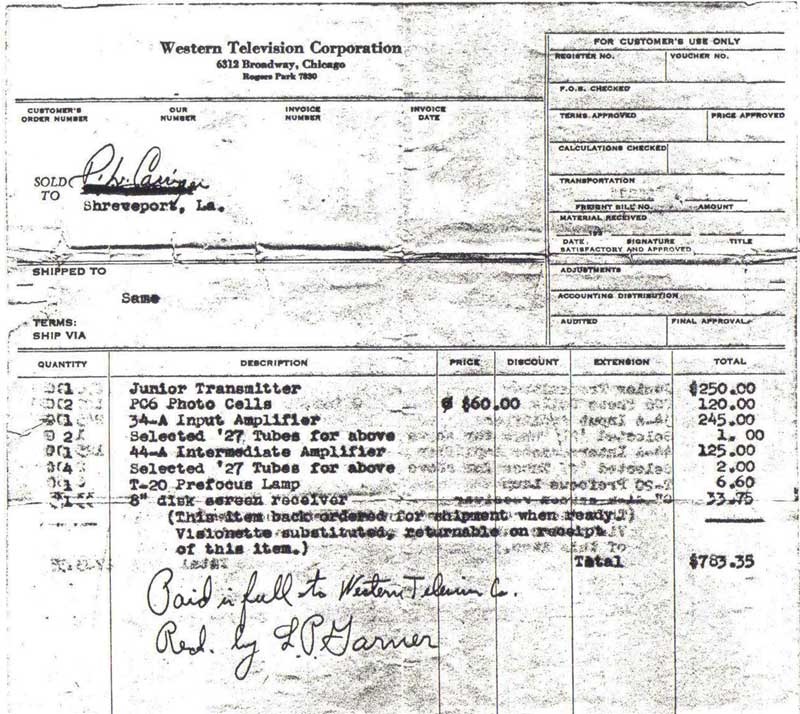
An invoice from Western, listing the transmitter (which is what the scanning assembly was called), other items, and a 8 inch disk screen receiver, which must have been a Model 41, which was just being developed. A Visionette was substituted for it. Here is what he has to say about how he got it.
|
|||||||||||||||||